Naval Ships
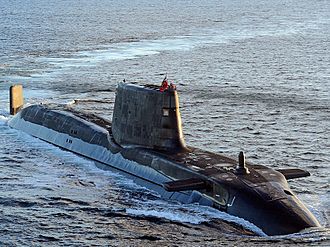
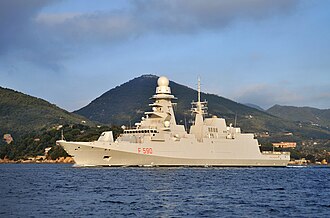
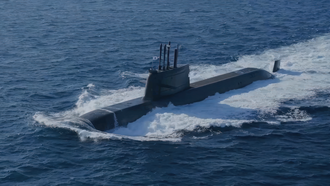
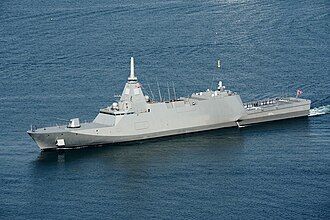
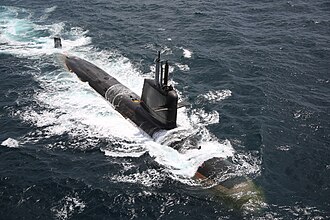
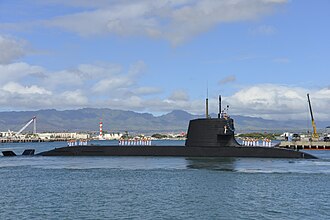
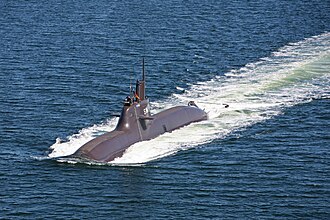
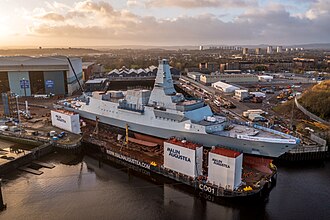
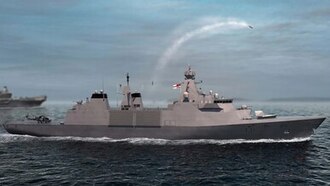
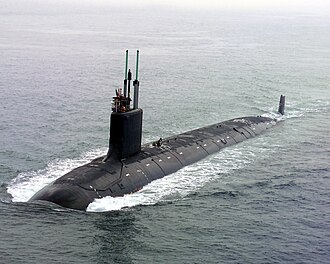
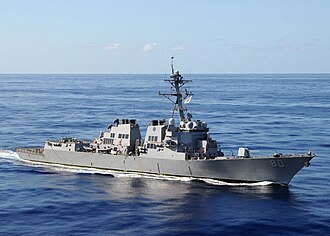
A modern warship is a floating combat system built up from six layers: platform (hull + propulsion), sensors (radar + sonar + EO + ESM), armament (missiles + guns + torpedoes + helicopter), combat management system (CMS, the central brain), network (Link-16/22, CEC), and crew + logistic interface. These layers are today integrated almost exclusively in modular VLS cells: the Mark-41 (US, NATO), Sylver A-50/A-70 (FR, Italy, UK), GWS-26 Sea Ceptor (UK), or Russian 3S14/UKSK-type launchers can each carry a mix of anti-ship, anti-submarine, anti-air and cruise missiles. Submarines fall into two physical classes: SSNs (Submarine, Ship, Nuclear) are nuclear-powered hunter-killer subs that can stay submerged for weeks without surfacing — typically 6,000–10,000 tons; SSKs (Submarine, Ship, Konventional) are diesel-electric with optional AIP (Air-Independent Propulsion) such as fuel cells (Type 212/214) or Stirling engines (Soryu, Gotland class) — typically 1,500–3,000 tons. SSKs are cheaper and quieter in silent mode; SSNs are faster and effectively unlimited in endurance. Strategic SSBNs (ballistic missile submarines) and SSGNs (cruise missile submarines) are separate categories aimed at nuclear deterrence. Surface ships. Aircraft carriers (CVN — nuclear; CV — conventional; LHA/LHD — amphibious assault) project air power; they are the ultimate self-contained power centers but cost USD 13 billion+ for a Ford class. Cruisers and destroyers (DDG) are area-defense platforms with large VLS arrays (96 cells on Arleigh Burke Flight III; 128 cells on Type 055). Frigates (FFG) are mid-tier multi-role ships (32–48 VLS, 4,000–7,000 tons). Corvettes (FFL) are the smallest surface combatants. Amphibious ships (LHD, LPD, LSD) move marines and their tanks/vehicles; some (Wasp/America class) have STOVL flight decks for F-35Bs.
12 systems