Combat Aircraft
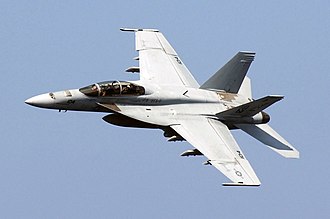
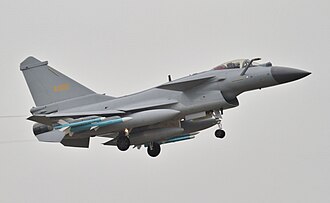
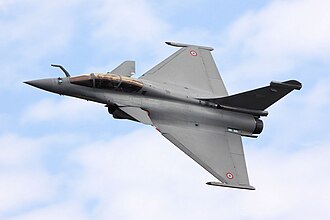
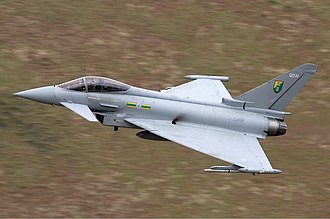
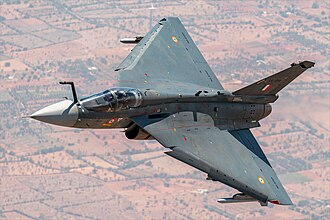
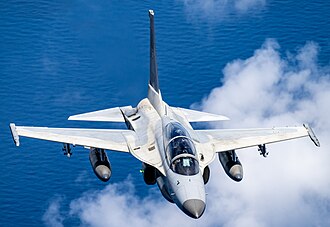
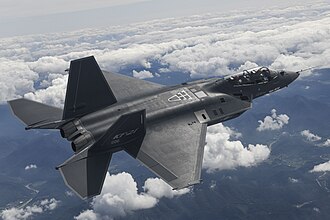
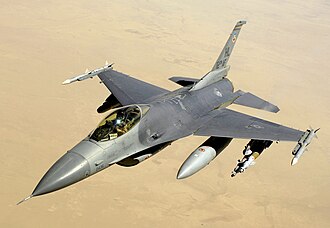
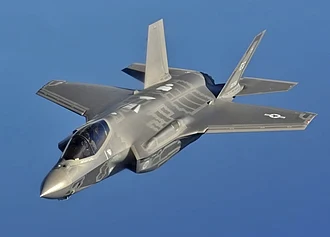
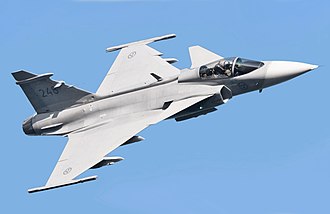
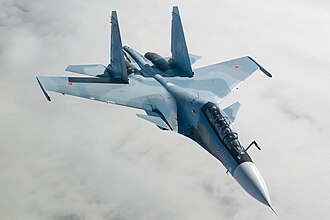
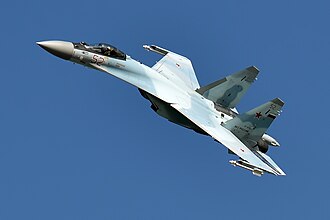
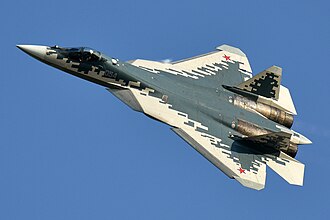
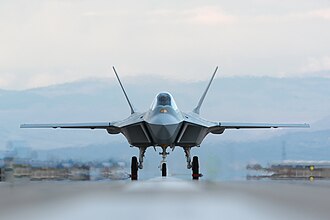
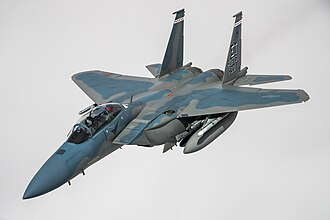
A modern combat aircraft is a combat system in cockpit form: airframe + propulsion + sensor package + weapon kit + datalink suite, tied together by a mission computer and a human-machine interface. Generations are defined not by a single technology but by a combination. 4th generation (1970s–80s: F-15, F-16, MiG-29, Su-27): pulse-Doppler radar, fly-by-wire, BVR missiles, high agility but no stealth. 4.5 generation (2000–today: Rafale, Typhoon, F-15EX, Su-35, Gripen E, F-16V Block 70): AESA radar, advanced EW suites, datalink (Link 16), conformal fuel tanks, partial RCS reduction via canopy and intake shaping. 5th generation (F-22, F-35, J-20, Su-57): all-aspect stealth design (RCS <0.01 m² frontal for F-35), internal weapon bays to avoid external RCS spikes, sensor fusion in a single pilot display, and net-centric data exchange. The guidance and weapon chain for BVR engagements: AESA radar detects (or MAWS/IRST passively detects), IFF interrogator confirms friend/foe, the mission computer calculates a firing solution, AIM-120D/Meteor/PL-15 is launched with INS + datalink mid-course update + active radar terminal homing. For close combat (WVR — within visual range): an HMCS (helmet-mounted cueing system) selects the target, AIM-9X/IRIS-T/Python-5/R-73 is launched off-boresight up to 90° abeam thanks to thrust-vector control. For air-to-ground: SAR radar performs mapping, an EOTS/Sniper pod laser-designates, and JDAM/Paveway/SDB are released. Sensor fusion in 5th-generation aircraft means all of these inputs appear on a single tactical situation display rather than separate panels.
15 systems