Anti-Ship Weapons
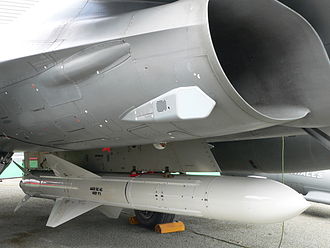
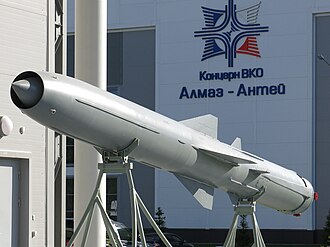
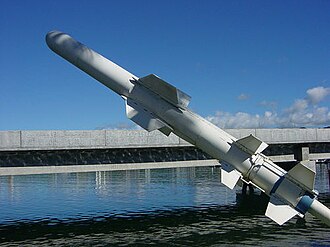
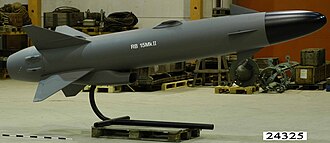
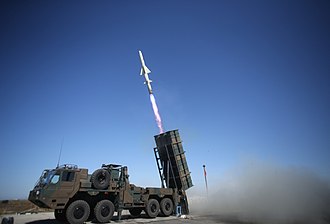
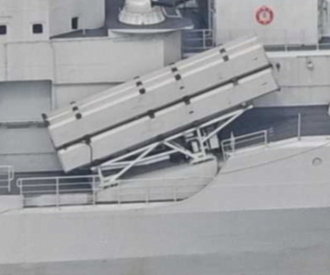
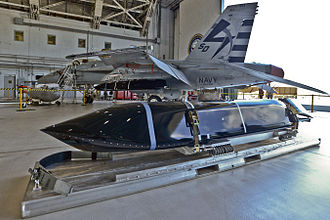
Anti-ship missiles (AShMs) follow one of two strategies to penetrate the complex defenses of modern warships (CIWS + short-range SAM + medium-range SAM + EW + decoys): stealth mass saturation or supersonic momentum. Western designs (NSM, JSM, LRASM, Naval Strike Missile, Block V Tomahawk MST) follow the first school: subsonic speed (Mach 0.7–0.9), very low RCS, low-flight profile (3–5 m above wave height) plus complex terminal-phase maneuvers with "pop-up" and zigzag. Russian, Chinese and Indian designs (P-800 Oniks, Zircon, BrahMos, YJ-12) take the second school: ramjet-powered Mach 2.5–6, too fast for CIWS to intercept. An attack unfolds in four phases: launch (from a VLS cell, anti-ship tube, aircraft or coastal launcher), mid-course cruise (low-altitude flight on INS/GNSS, occasionally with a datalink update from the launching platform or a third party — for example a patrol aircraft passing target data), search & target acquisition (the missile activates its own seeker — active radar in X- or Ka-band, or passive ESM in cruise variants; ATR software classifies detected fleet contacts), and terminal attack (sea-skimming or pop-up-and-dive, with stealth cruisers in a zigzag pattern to complicate CIWS tracking).
7 systems